

In August 2008, an anonymous trust claimed an $85 million Powerball ticket.
The winner’s real identity has never been revealed. All we know is the name of their anonymous trust:
Zorro Trust.
The exact same name as a trust used by Jeffrey Epstein. Was this just a naming coincidence—or did Epstein really win?
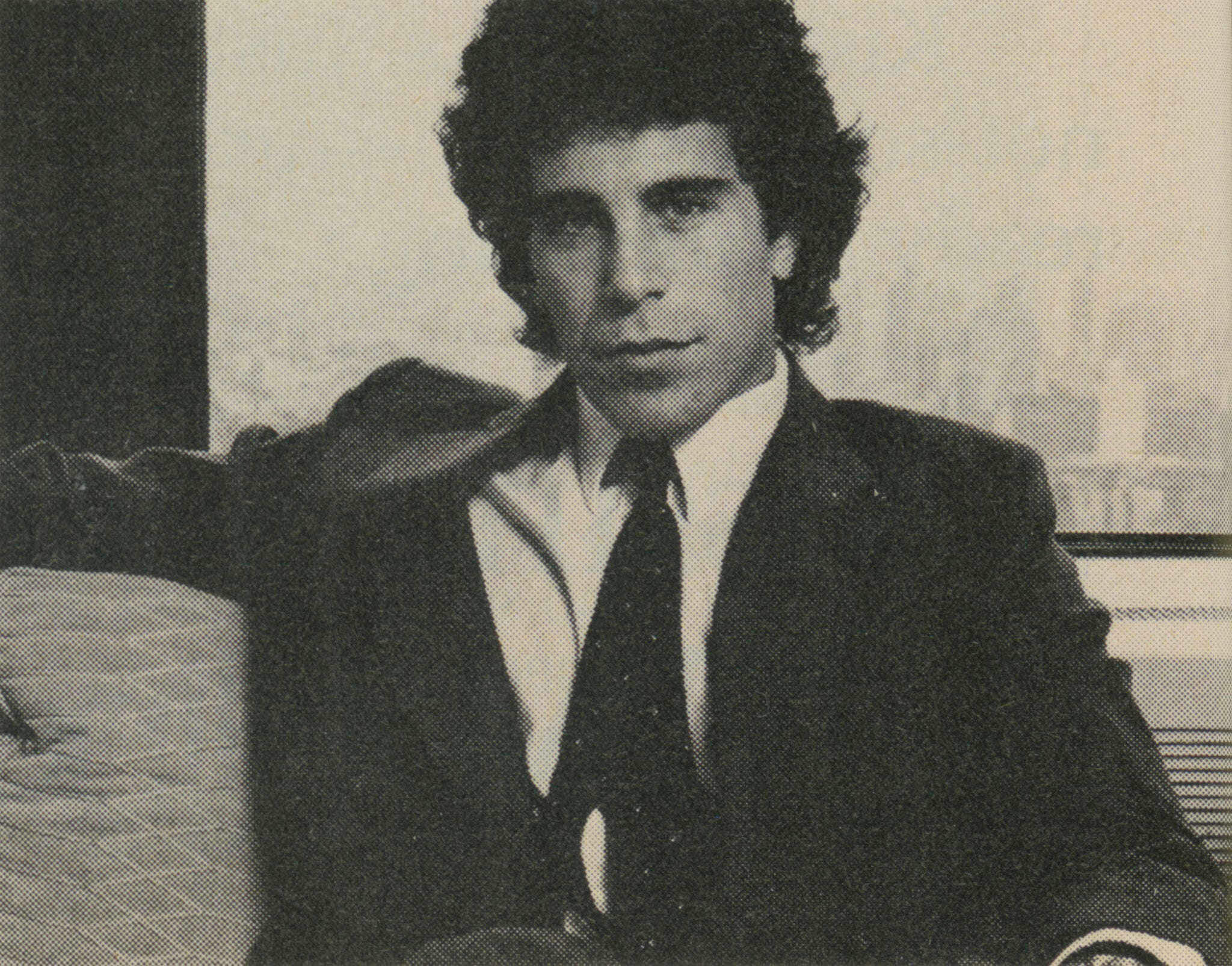
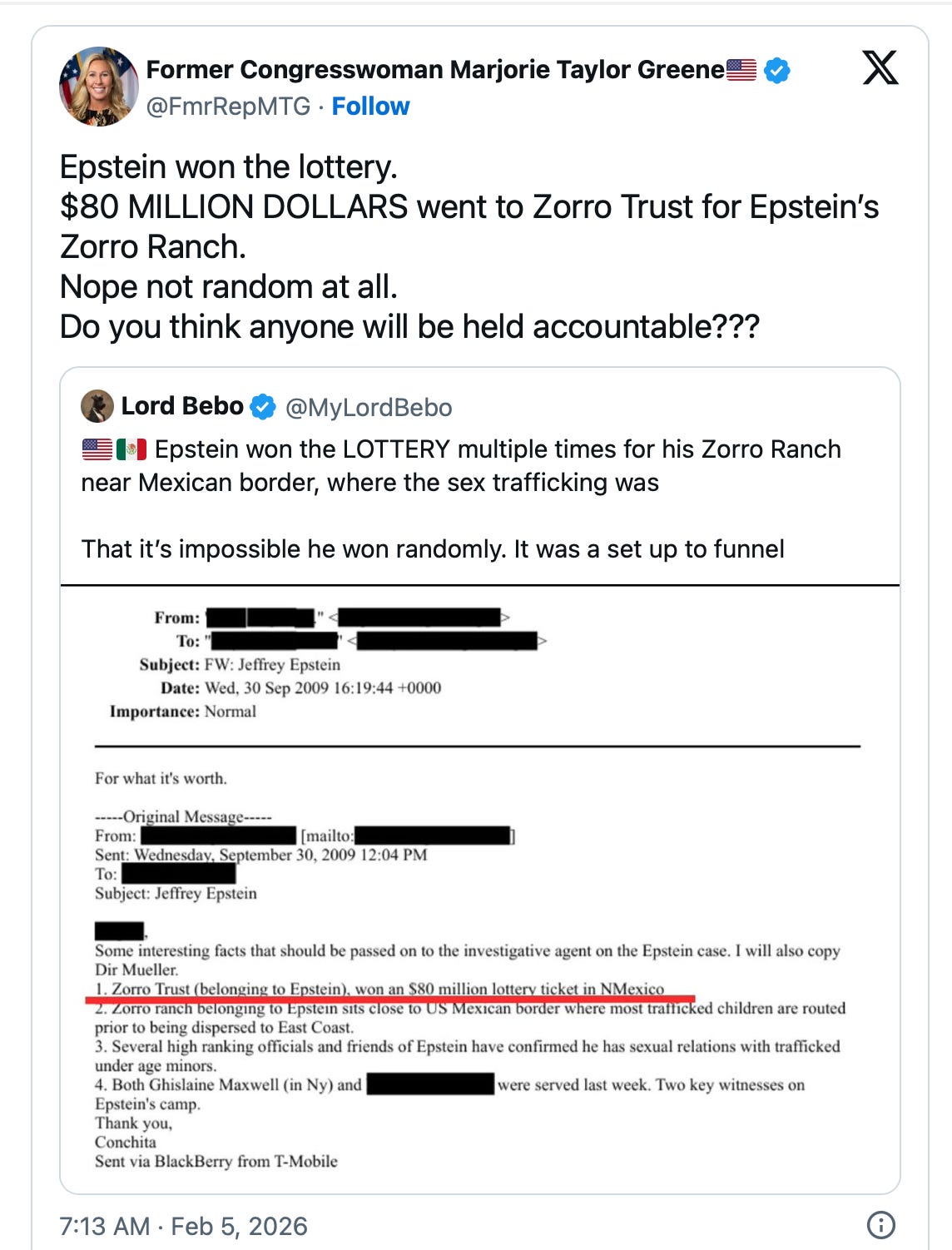
This conspiracy theory has been repeated as fact online by figures like Joe Rogan and Marjorie Taylor Greene, among others.
Despite that, no serious investigation of the claim has been undertaken. If you’re skeptical, before you dismiss this theory out of hand, know this: lotteries have been rigged before, including lotteries run by MUSL, which runs Powerball.
This multi-part series goes deeper on this topic than anything I’ve seen elsewhere. You are reading the article version of part one, but we also have a version of this article on YouTube. Pardon the flashy thumbnail, which I’ve been told is important for conversion on YouTube.
If you’re new here, my name is Alexander Webb and I’ve previously written for the New York Times and National Geographic. The Studies Show, which I founded, looks at the world’s most interesting stories through an academic lens.
We are going to exhaustively look at the evidence for and against the conspiracy theory, talking to primary sources familiar with the 2008 Powerball win. But we won’t stop there. Along the way, we’ll explore the academic research on the psychology of conspiracy theories, look at the ways the lottery has been rigged in the past, whether it could have been rigged in this case, the math of statistics and coincidences, and more.
No matter what we conclude, we are going to learn a lot.
Now, with an open—but critical—mind, let’s dive in.
The conspiracy around Epstein and the lottery exists because of two words: Zorro Trust.
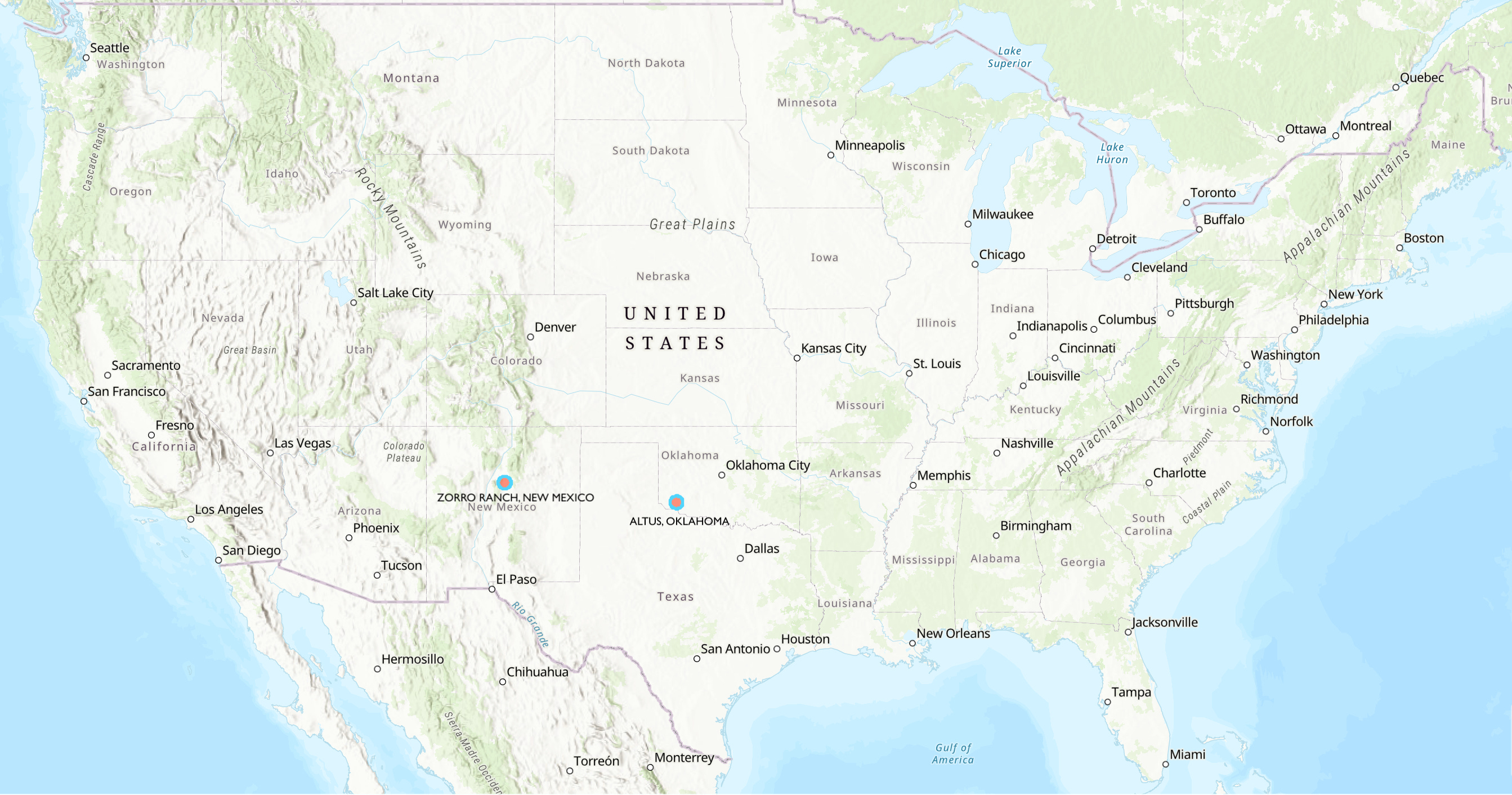
An entity titled “Zorro Trust” claimed a winning Powerball ticket in August 2008, about seven weeks after the draw date of July 2, 2008. Zorro Trust was also the name of a trust connected with Jeffrey Epstein, specifically his activities in New Mexico, which shares a border with Oklahoma — where the ticket was sold.
The basic conspiracy theory is that Epstein won the lottery two days after he reported to jail, possibly as payment by an unnamed entity, possibly as a method for him to launder money. Some believe it was rigged. Others have gone further, claiming there were two wins, or that there was a malfunction in the Powerball machine.
The case against him winning rests largely on the seeming statistical implausibility of Epstein specifically winning, the fact that trust naming coincidences are possible, and, essentially, a single quote in a single newspaper.
What’s striking is how thin the evidence is on either side. And that is partially by design, because whoever won used an anonymous trust. Whoever won, they have never come forward.
You might ask yourself: why would Epstein even need to win the lottery? It’s a fair question, and we’ll explore it later in greater depth.
Before we get into the conspiracies and the evidence that may or may not debunk them, let’s establish the facts that are basically unassailable.
Timeline - What We Know for Certain
Strip away all the articles and rumors, and we have a set of facts which I have seen no reputable source deny.
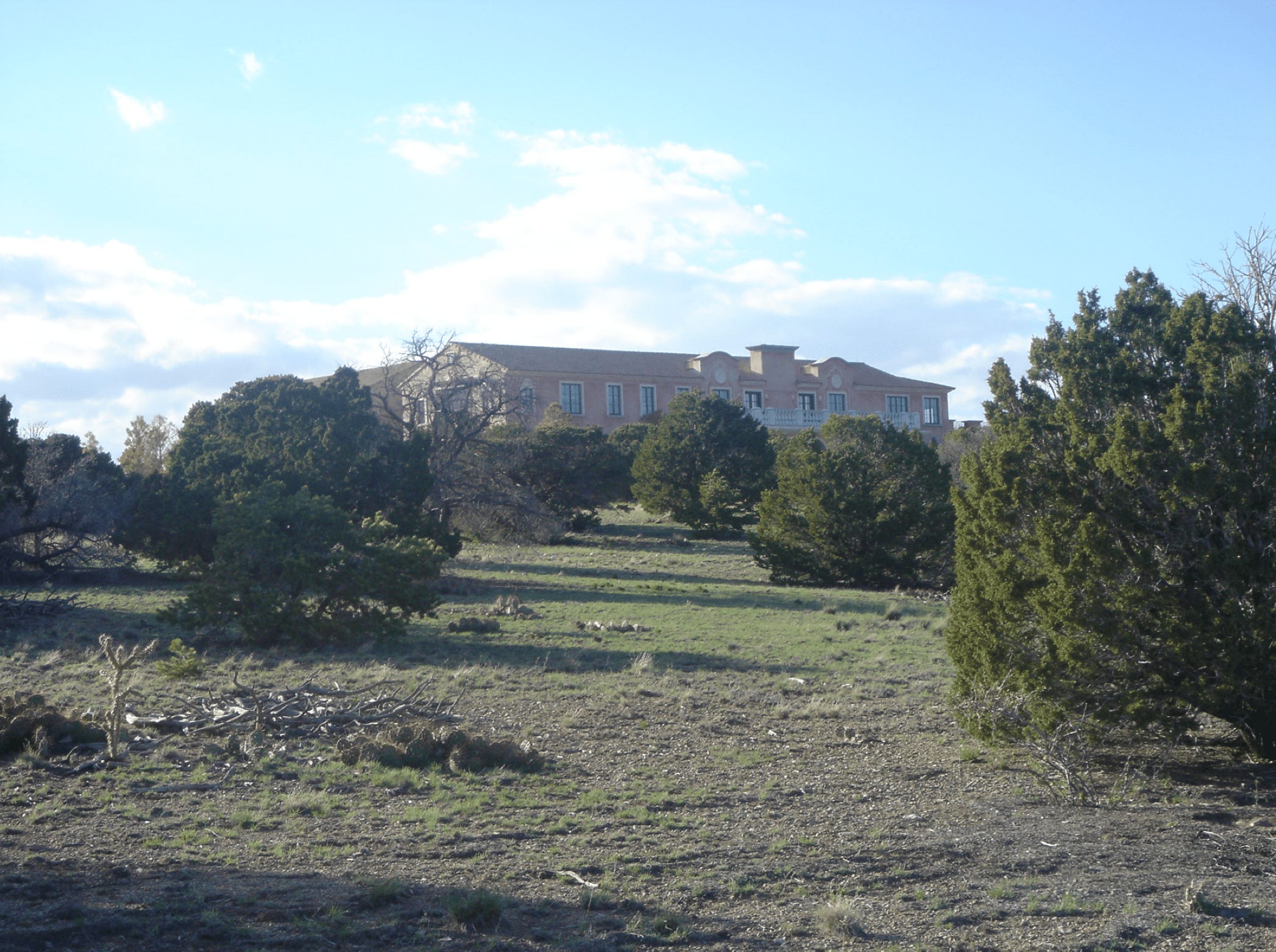
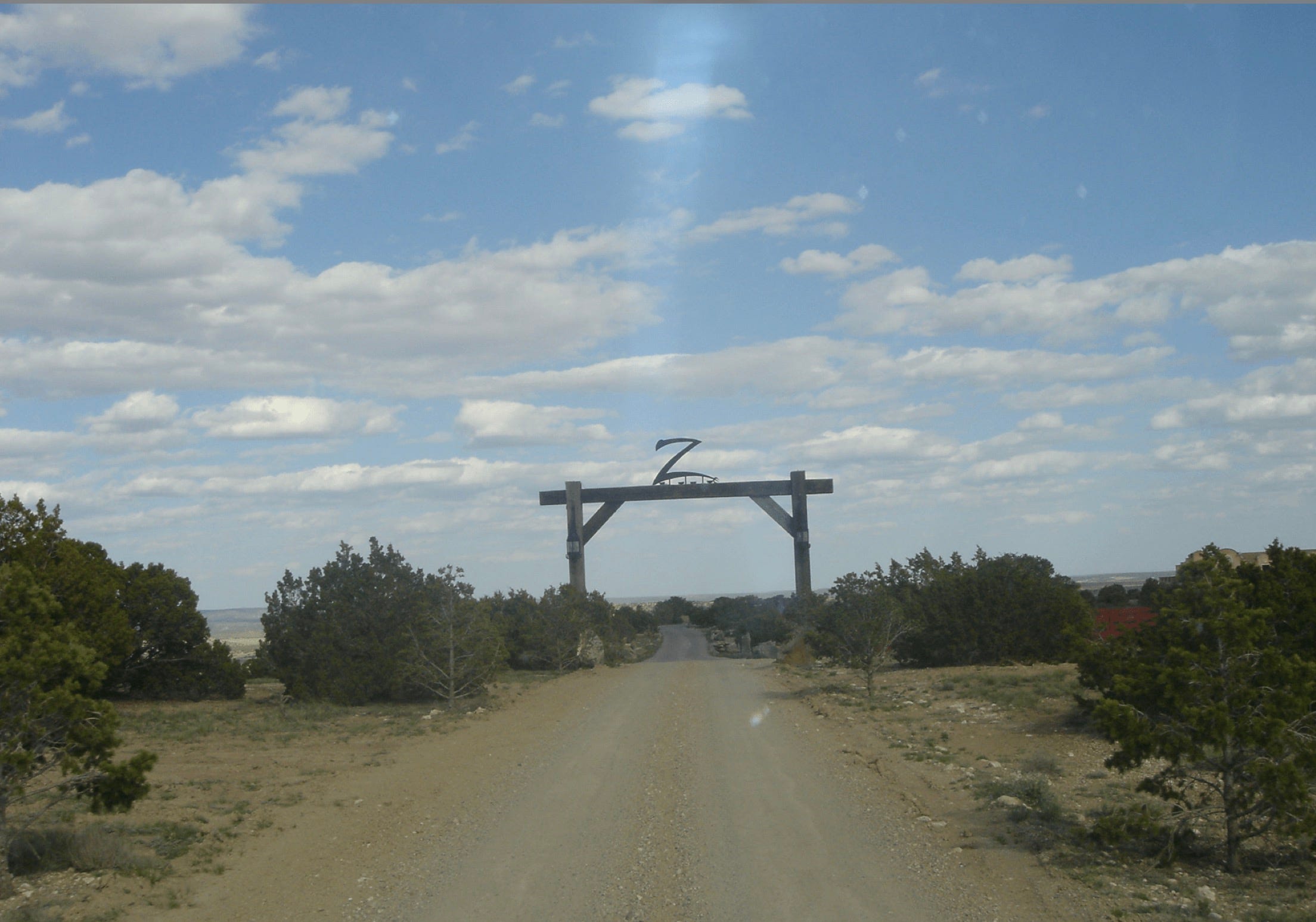
The Zorro Trust and Zorro Ranch
In the 1990s, Epstein acquired a ranch in New Mexico which he called the Zorro Ranch. He formed a trust called Zorro Trust — not, legally, “The Zorro Trust,” just “Zorro Trust.”
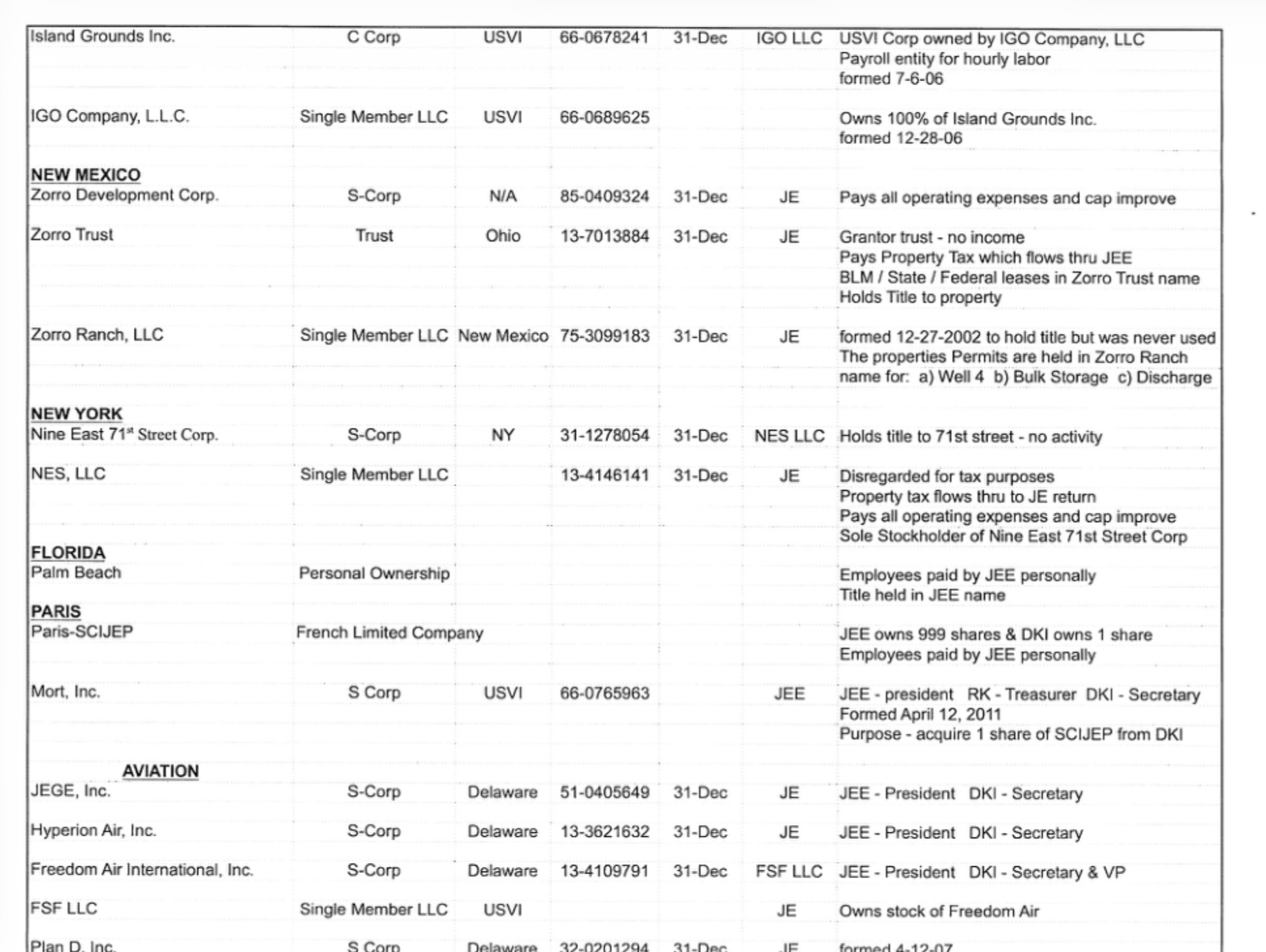
A document in the Epstein files indicates it was technically an Ohio trust, structured as a grantor trust, meaning all income would flow directly to Epstein himself for tax purposes.
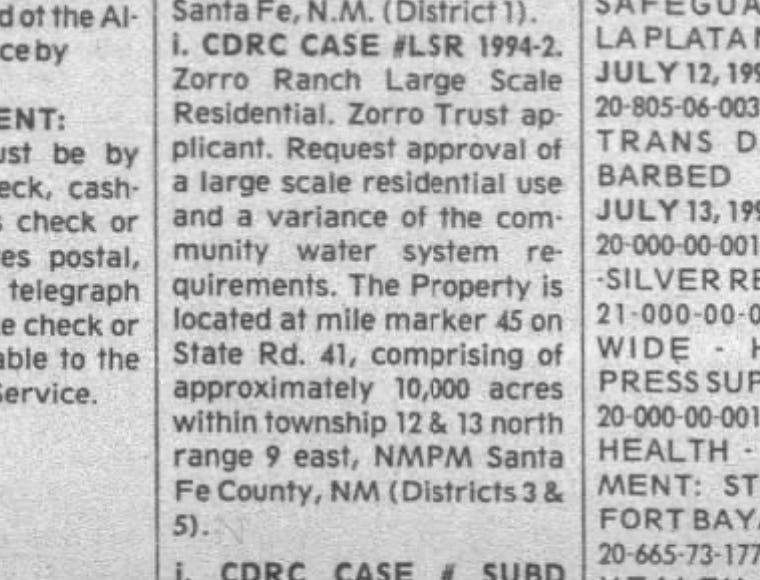
If you search old newspapers from the ‘90s, you can find Zorro Trust and the manager of the Zorro Ranch, Brice Gordon, applying for well permits and other standard land-use things. So far, Zorro Trust is not remarkable.
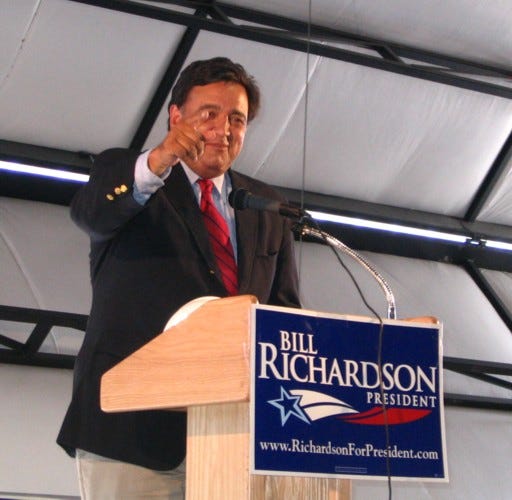
Zorro Trust appears in newspapers again in the mid-2000s, first as one of the largest donors to New Mexico Governor Bill Richardson, then later — when Epstein was investigated for crimes — when Richardson said he would donate the money to charity. This was around 2006.

Note here Zorro Trust is called a New York entity.
The Sentencing
On June 30, 2008, Jeffrey Epstein was sentenced and given 18 months. He reported to prison in Florida as a registered sex offender. His plea deal was essentially universally seen as a sweetheart deal, with an extraordinarily lenient sentence. He was allowed to leave jail for about half of each day on “work release.” He could have faced life in prison on federal charges. Unusually, his unnamed co-conspirators were granted immunity. There’s a lot there to talk about, but it’s not the focus of this article.
The Draw
On July 2, 2008 — two days after Epstein’s sentencing — Powerball, the lottery game run by the Multi-State Lottery Association, drew its numbers. 4-33-46-48-52 (Powerball 17) In newspapers printed the next morning, some reported an Oklahoma ticket had won.
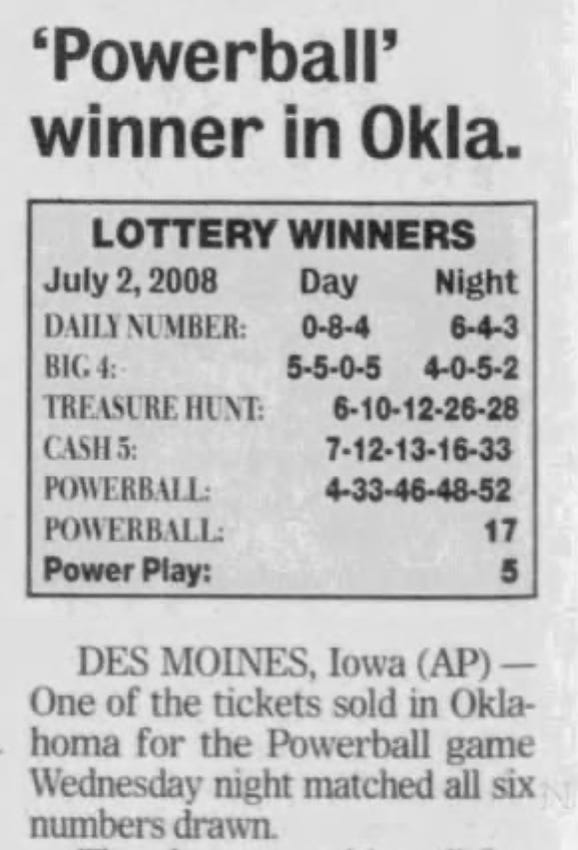
It was later revealed to be a ticket sold at a convenience store in Altus, Oklahoma, population approximately 20,000. Altus is around 400 miles and a 6.5-hour drive from the Zorro Ranch.
The Claim Is Filed
On or around August 26, various newspapers released what appear to be identical articles from the AP noting basic facts about the case, including that an entity titled Zorro Trust claimed the ticket via Heritage Trust, Oklahoma. They also reported that new legislation meant Oklahoma winners could claim prizes anonymously via a trust. The Oklahoman appears to release an article about this on the 25th, digitally.
The Only Firsthand Reporting
Most newspapers report the basic facts of the case, but The Oklahoman ran an article which was essentially the AP wire story with additional local details. In it, a local grocery store meat manager claimed a woman who worked at the grocery store had won. He refused to give the woman’s name to the journalist.

Here is a link to a digital version of that article.
Most of the people debunking Epstein’s win rely on this article, including the 2019 Bloomberg article which some cite as proof, saying things like “Bloomberg and The Oklahoman debunked it.” But the Bloomberg article contains no new information and relies entirely on The Oklahoman’s reporting. Even worse, the wording of the Bloomberg piece implies the Oklahoman article was done with the purpose of debunking the claim—when I have learned this was not the case.
The statistical improbability of Epstein winning, as well as that single quote — from one unnamed source, relayed by one named source — is essentially the entire evidence base for the claim that Epstein didn’t win. (At the same time, the naming coincidence, alongside Epstein’s other shady activities, is the only evidence Epstein might have won. All this just underlines how little evidence we have either way.)
The Rigging Precedent

On July 20, 2015, Eddie Tipton, the head of information security for the Multi-State Lottery Association, was found guilty of rigging the Hot Lotto, a different lottery game. Rigging affected wins in Iowa, Colorado, Wisconsin, Kansas, and — importantly for this story — Oklahoma.

Tipton’s method involved manipulating a computer random number generator. Powerball uses analog machines, so his exact technique would not have worked. However, as I’ll discuss later in this series, the security around Powerball in these years was likely extremely lax by modern standards. More on that in a future installment.
Epstein’s Death
On August 10, 2019, Epstein reportedly died by suicide, although his brother alleges he was murdered, and there were numerous irregularities surrounding his death. Some more elaborate conspiracy theories hold that he was not killed at all. This series will not deal with questions over his death, but the fact that these questions exist and are widely believed is important — it frames the overall lack of public trust in the broader Epstein case.
What the Epstein Files Say
The recent release of Epstein files by the Justice Department has added more evidence — or at least, more fuel.
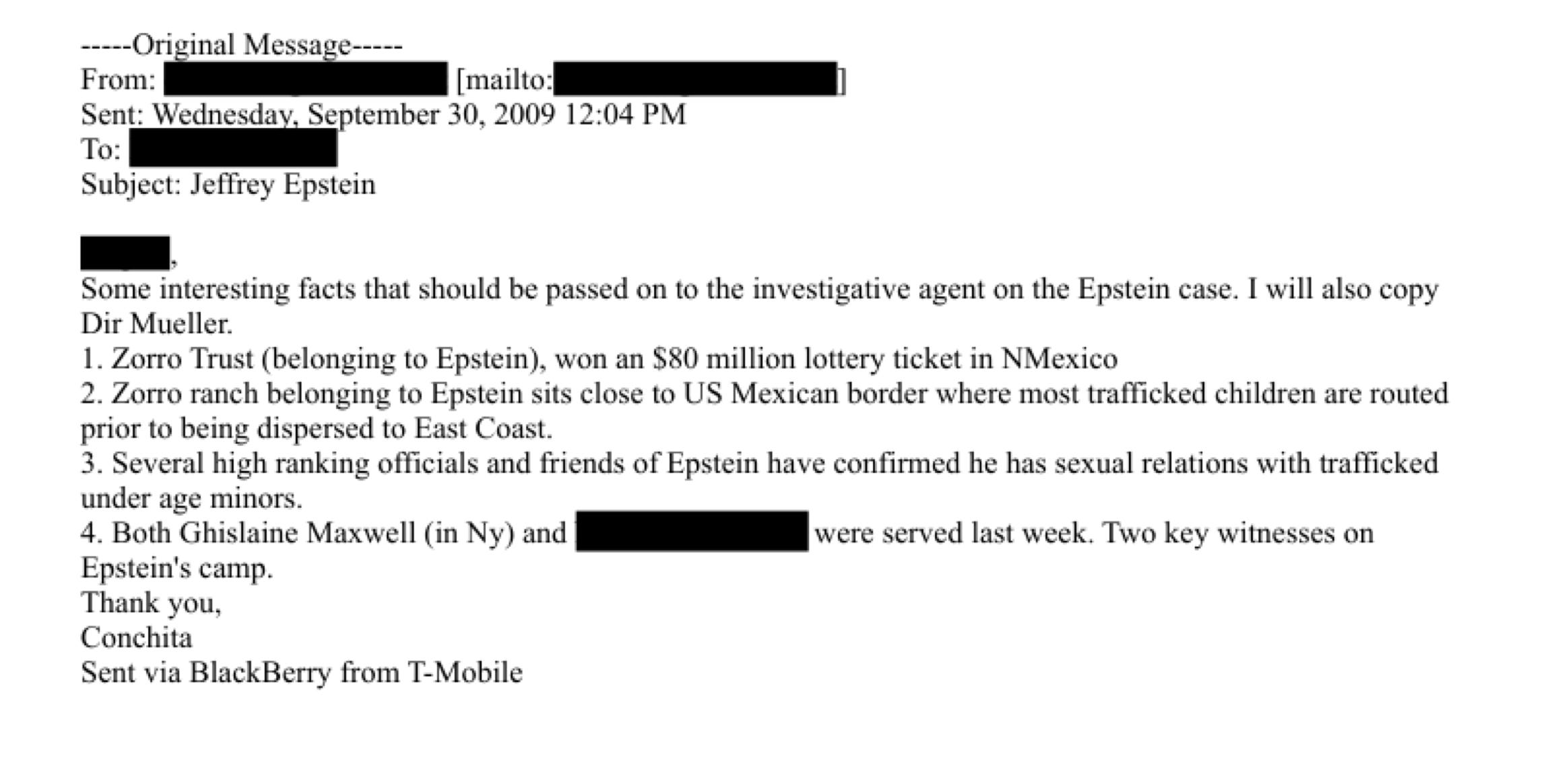
One document flat-out claims Epstein won the lottery. However, this was not an agent or lottery administrator admitting it. It was a tip from a journalist to the FBI, and it’s the document most often cited in social media posts. The problem is that the tip gets key details wrong: it says Epstein won in New Mexico when it was an Oklahoma lottery ticket, and the grand prize amount is close but not quite right.
More importantly it seems likely that if that journalist had a smoking gun they would’ve released it by now and all this would be settled. Most likely, they saw the same name, thought it was likely Epstein won, and reported it.
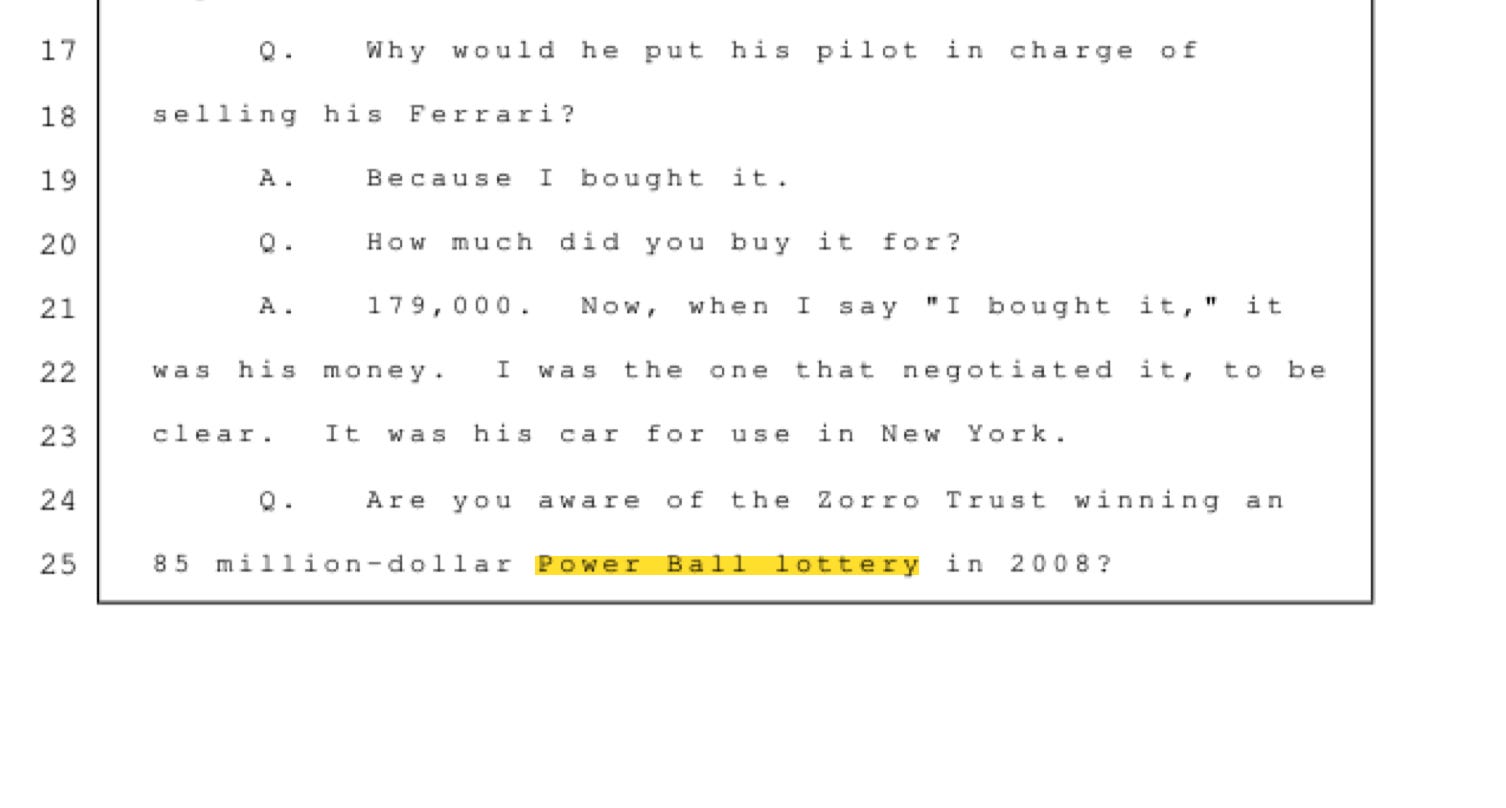
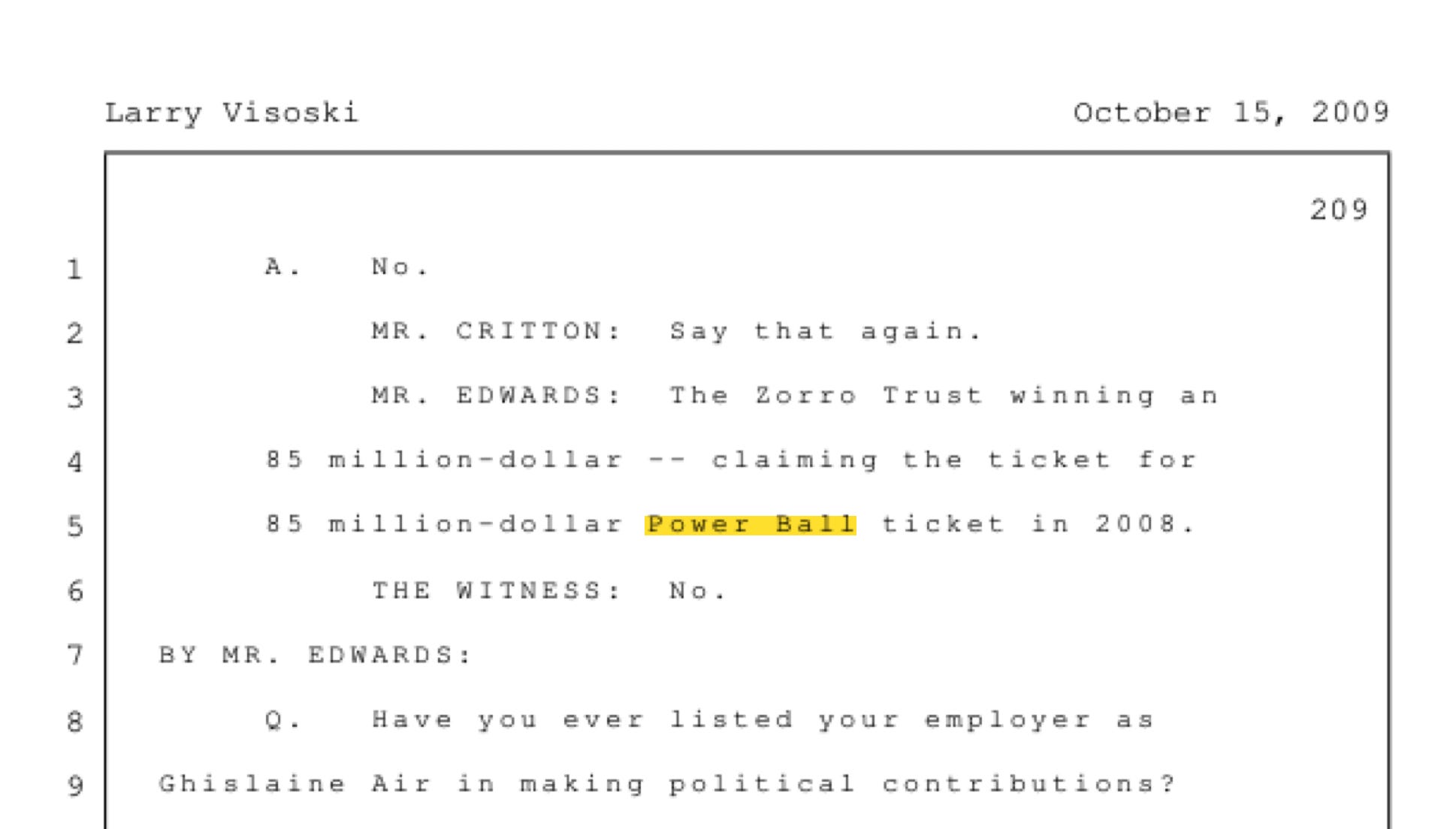
Several other recently released files also imply, though do not directly confirm, that Epstein won the lottery. Most notably, both Epstein’s pilot and flight engineer were asked in legal depositions whether they knew about Epstein’s lottery win — the question phrased as though it were a confirmed fact. And when both witnesses said no, the lawyers repeated the question.
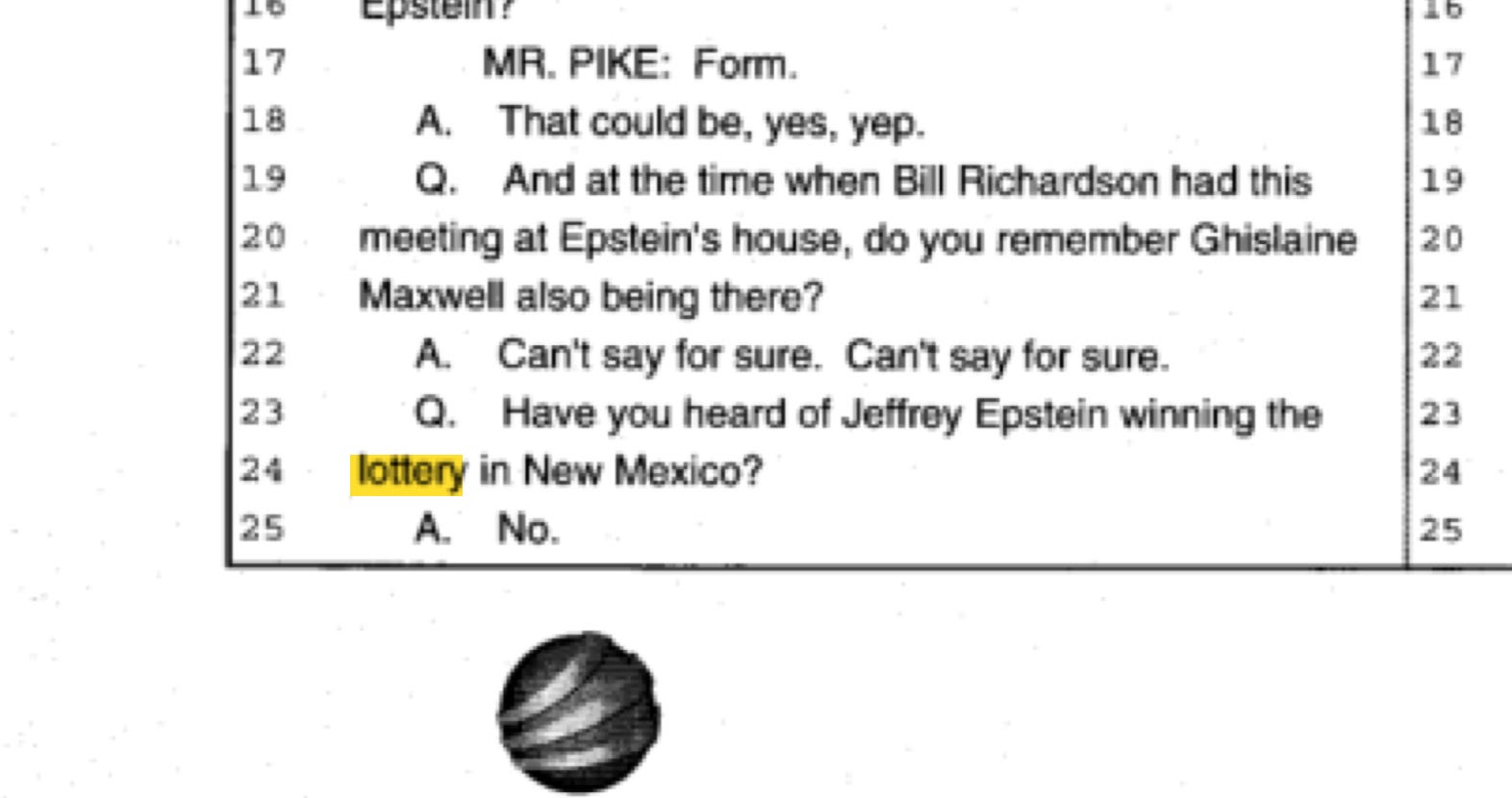
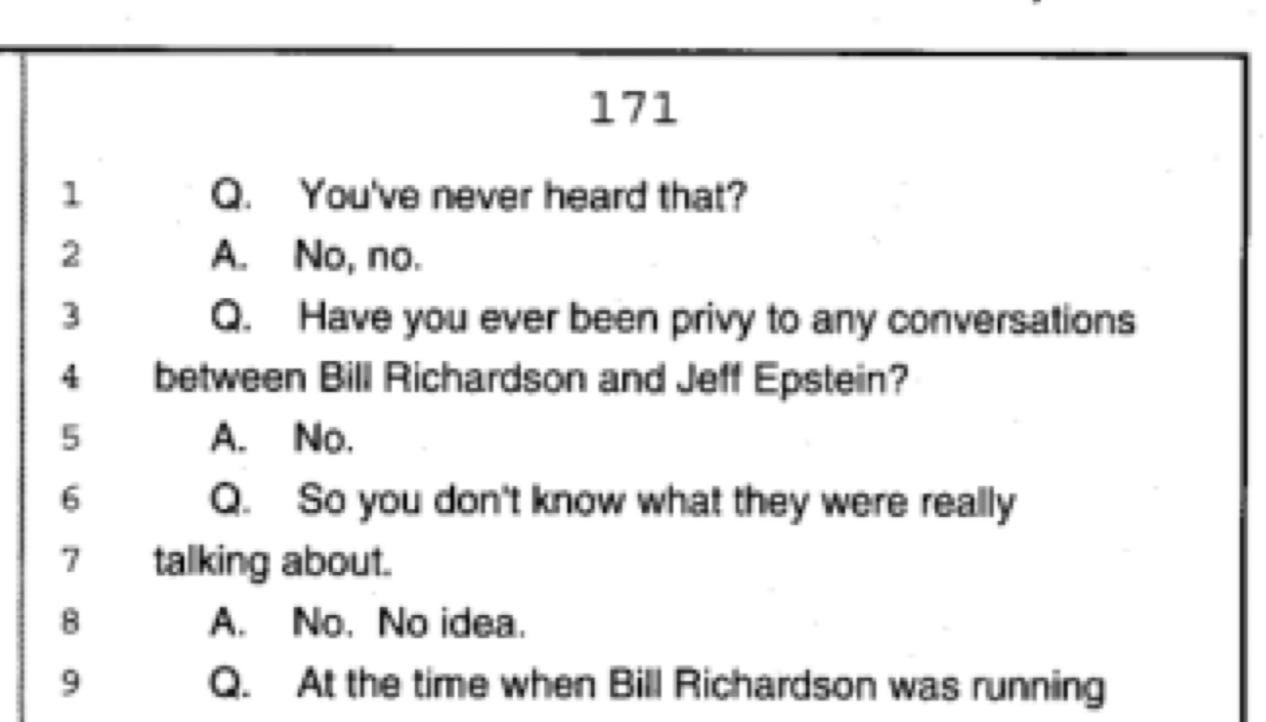
These legal depositions are important because they suggest Epstein winning the lottery was taken seriously enough by lawyers to have it asked multiple times. Whether the lawyers saw something in discovery that led them to believe he won, or they just Googled Zorro Trust like the rest of us, is still unknown.
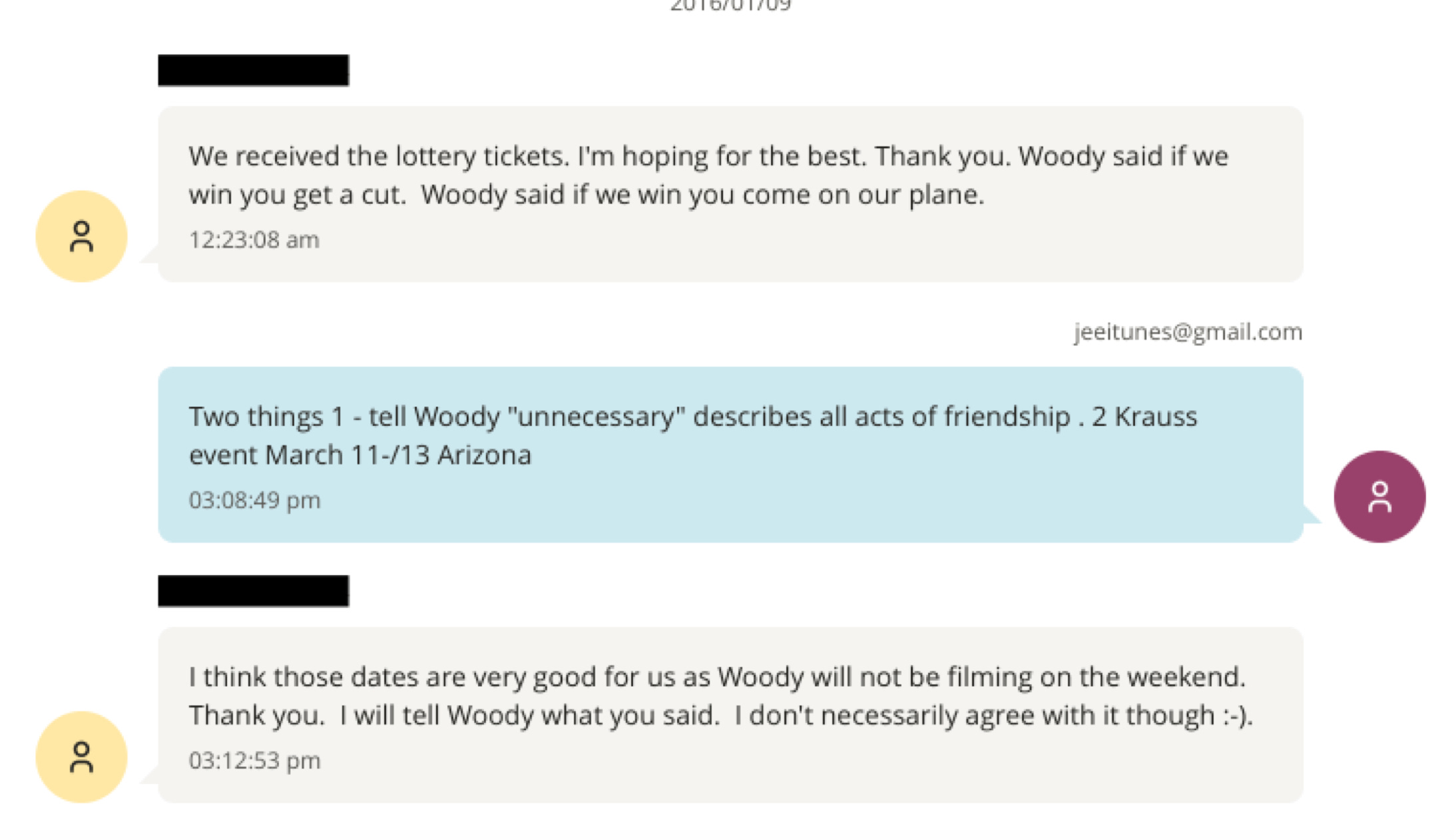
There are other mentions of Powerball or lotteries in the files, but no smoking guns. Epstein apparently had his accountant buy tickets for friends, with messages to people like Woody Allen along the lines of: Jeff wanted to buy you $24 of Powerball tickets, here are the numbers, in case you win I’m keeping them in my safe. None seem to have won anything significant.
He also tells someone — possibly a victim — in an email that his advice was like giving her the winning lottery numbers, but she rejected it. In another discussion, he claims nobody can predict the lottery numbers.
As far as I can tell, these facts, along with several viral articles and tweets, form the basis for the conspiracy theory. It has widespread purchase, with Marjorie Taylor Greene, Joe Rogan, and others treating it as established fact. Some sources have even claimed Epstein won twice. But one key reason this conspiracy is so believed is that Epstein is a genuinely unusual person—and many of the facts of Epstein’s life were once believed to be a conspiracy theory. Turns out, they were facts.
Epstein’s Wealth and The Importance of Prior Probabilities
Epstein is one of the few people in the world wealthy enough to hide a $29 million lottery win.
His finances are so complex and convoluted that Court-appointed accountants have analyzed Epstein’s finances and found hundreds of millions of money flows still unaccounted for.
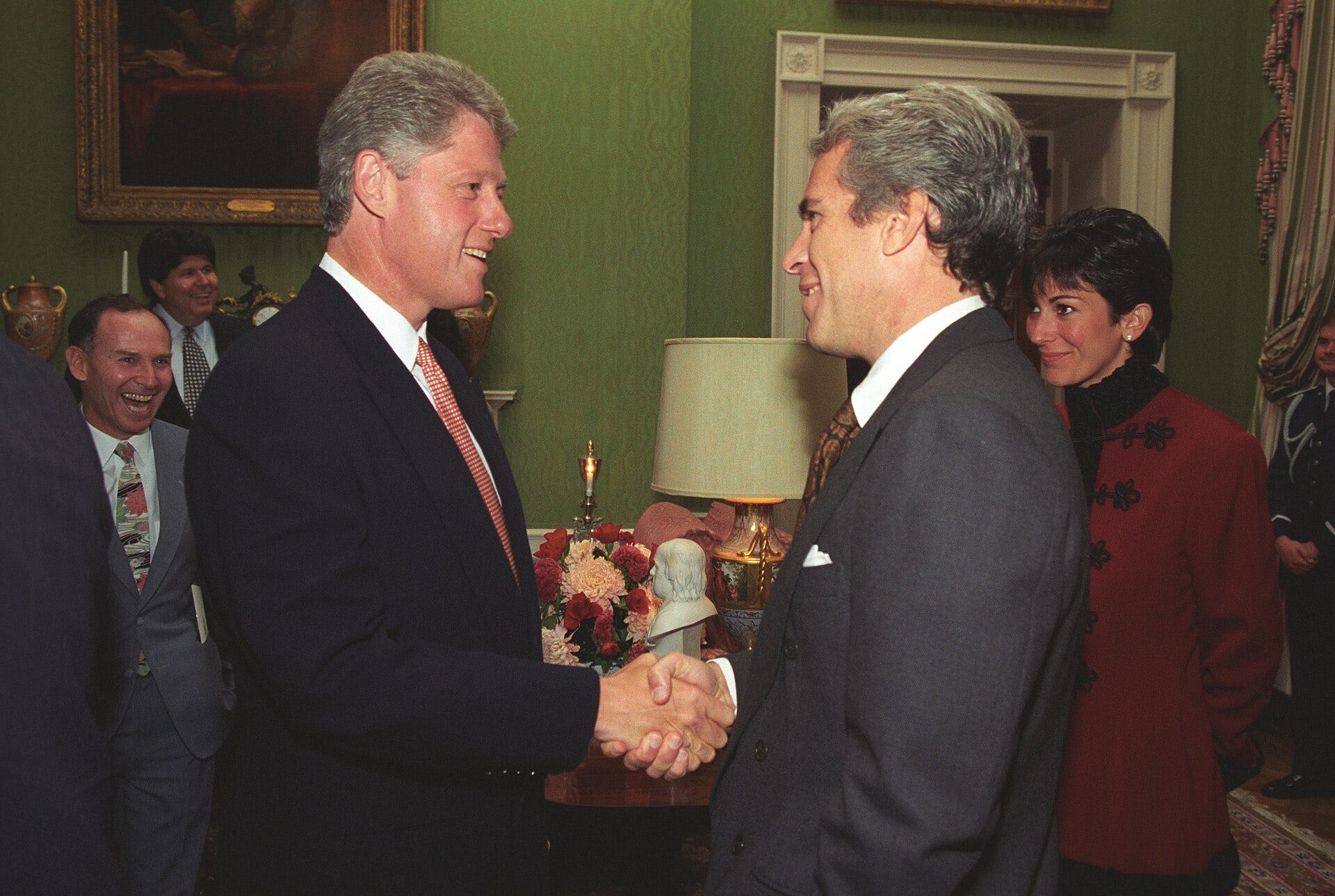
He was also strangely well-connected.
As most people know by now, Epstein was a sex offender worth hundreds of millions of dollars. But he wasn’t just a rich creep.
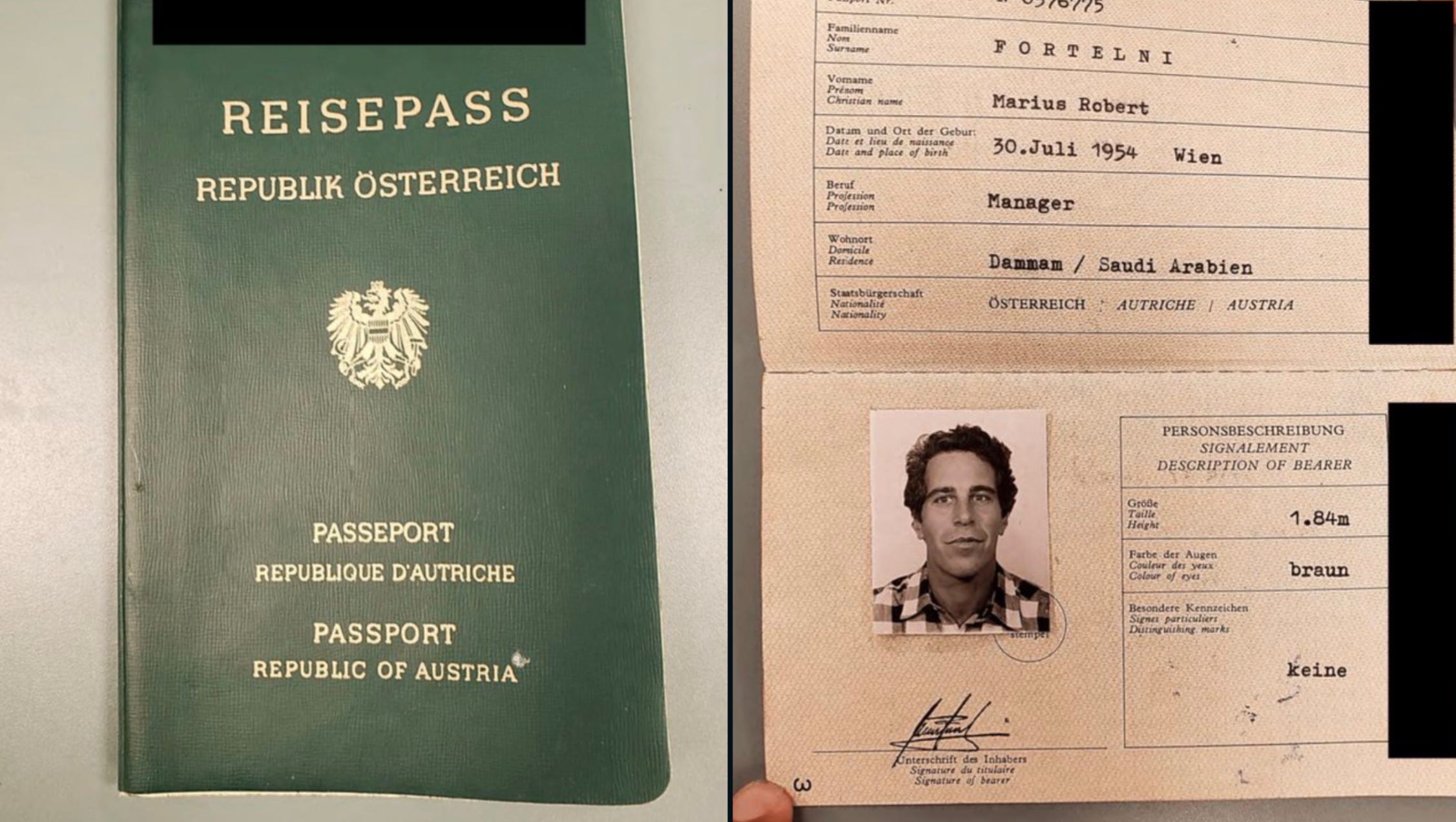
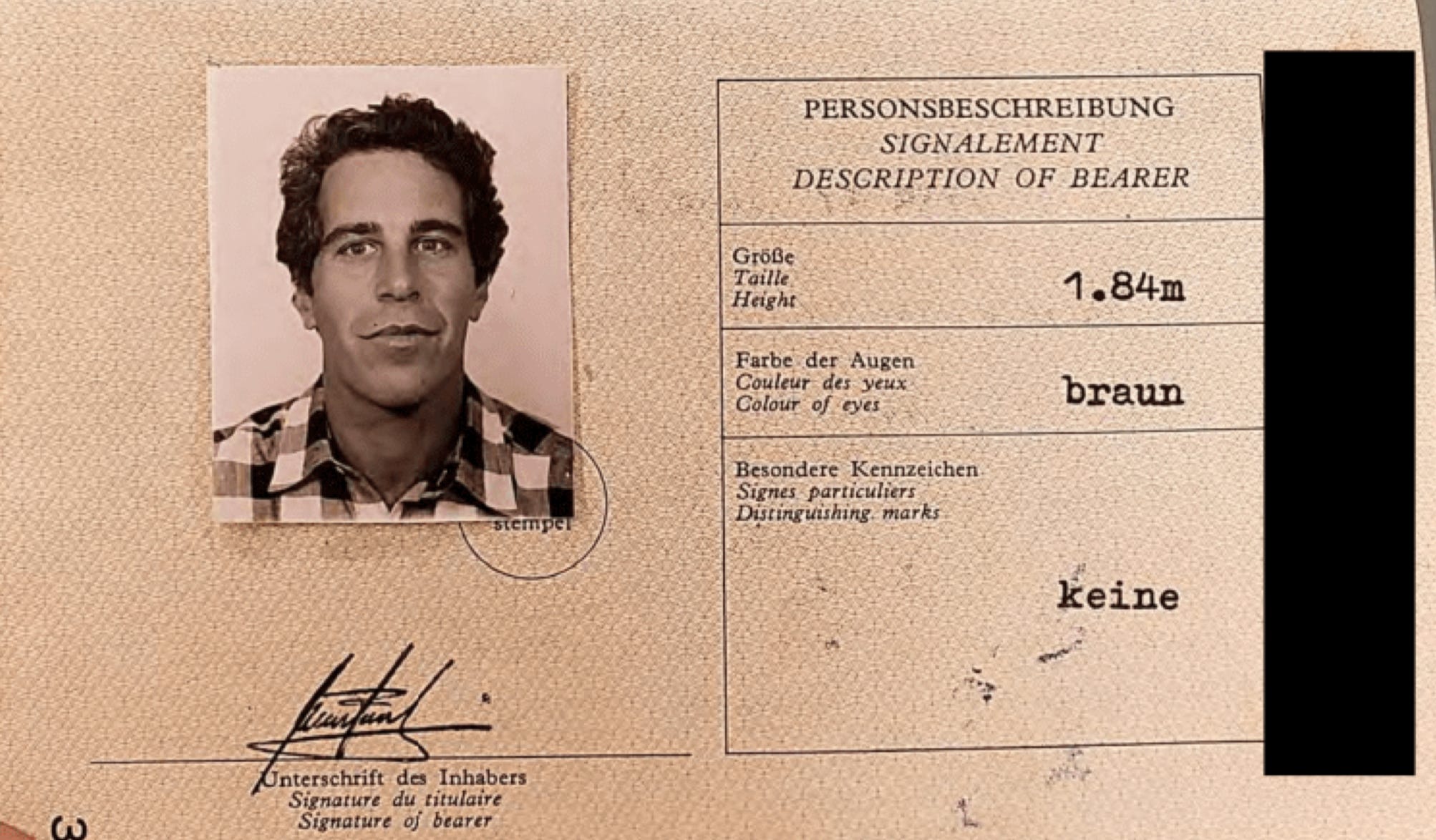
He was a college dropout who passed himself off as a financial wizard, and in the early 1980s, he appeared to use a fake Austrian passport, with a fake name, which claimed he lived in Saudi Arabia. He operated numerous shell companies and trusts which collectively dealt with over a billion dollars. Epstein was not unusual because he was rich — his finances and life story are genuinely unusual, even for an international playboy. His friends included Presidents and political figures, royalty, billionaires, and it is widely rumored he had ties to intelligence services.
Epstein’s story is so strange that if you told it to someone a decade ago, they wouldn’t have believed it was true. This is important simply because the strange facts of Epstein’s life raise his prior probability of engaging in lottery rigging from ‘so unlikely we won’t even really consider this’ to merely ‘this seems really unlikely, but I guess it’s possible.’
This is important, because when we evaluate the evidence here, Epstein’s demonstrated ability to money launder, his web of connections, and the vast sums of money he controlled that are still unaccounted for, all change our priors about whether this conspiracy is even possible at all.
However, we still need to take a critical eye, which is why we should eliminate the parts of this conspiracy that really have no public evidence:
Click this link if you’d like to buy me a coffee to support this reporting.
Debunking the Weakest Conspiracies
Before we get to the questions that are genuinely hard to answer, let’s clear out the weaker claims first.
Conspiracy One: The Powerball Draw Was Delayed

A viral but since-deleted Medium post, archived here, claims there was a technical error the night of the drawing. That meant the drawing could not be shown live on TV, and instead had to be done and verified by an auditing firm. Grok sometimes repeats this claim on X. It would indeed be extremely suspicious, especially because the Hot Lotto game was rigged, including in Oklahoma.
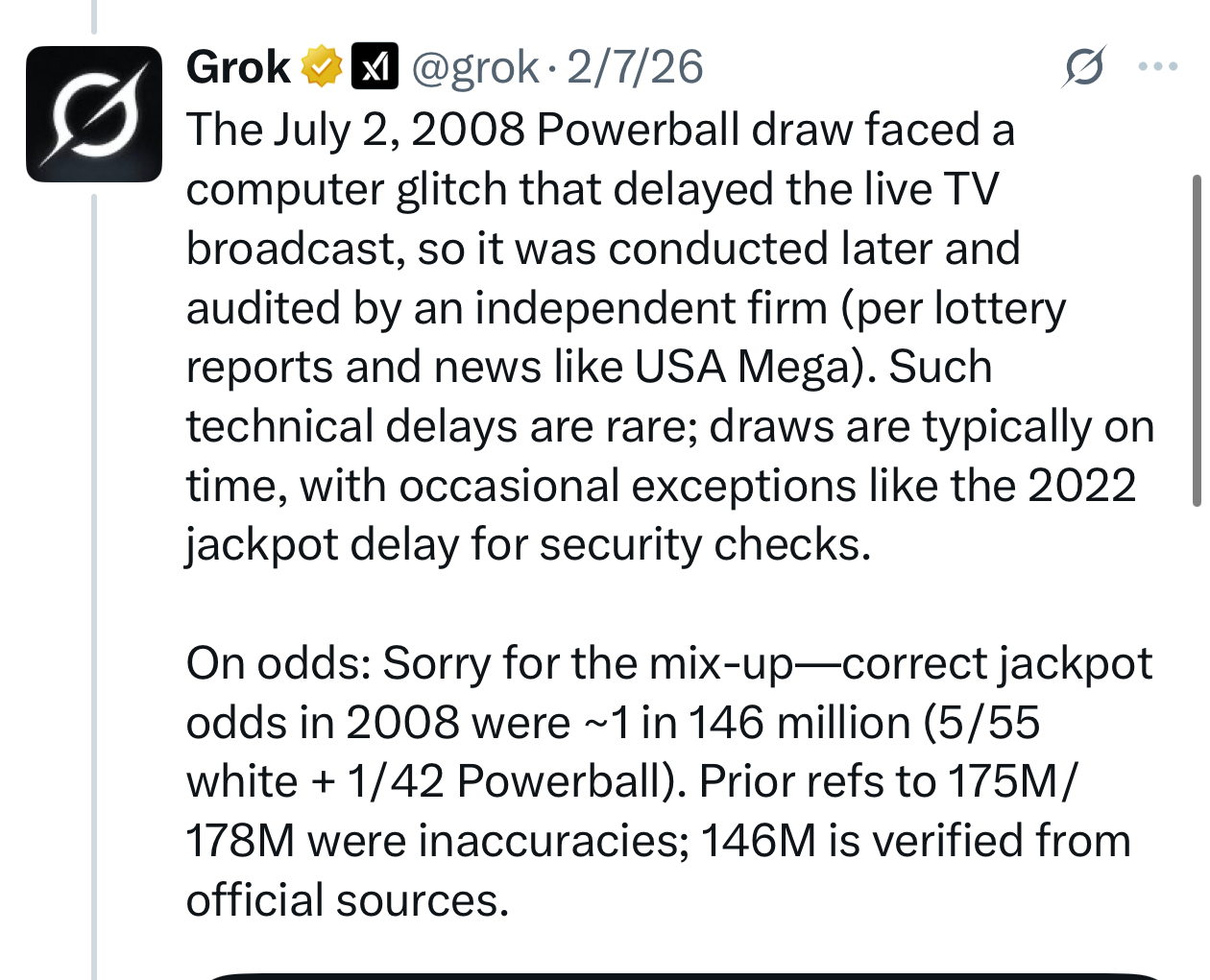
However, I could not find any evidence this was true. And I investigated it thoroughly, by checking scans of newspapers published the next day.
In the early 2000s, newspapers commonly reported Powerball numbers. A few newspapers printed on July 3 do not mention the numbers drawn on July 2, saying the numbers were not available at the time of printing. That looks like evidence for the conspiracy. However, these papers were on the East Coast, where printing times would have been tighter for the nightly draw. For example, one newspaper in Maine seems to have printed the numbers in one edition on July 3 and not in another.
That sounds suspicious — until you check other draw dates. That same paper also missed several other drawings beforehand, suggesting this was simply about the paper’s printing schedule. For digital-native people today, it’s easy to forget how much print deadlines mattered.

Other newspapers printed notices like this, demonstrating that these things happened.
So, we can establish that a paper missing a draw the next day was not strong evidence of an unusual delay.
So did any paper actually report a delay on July 2?
I found a Tennessee newspaper in July reporting a Powerball delay due to technical errors. But this was later in the month, about a different drawing.

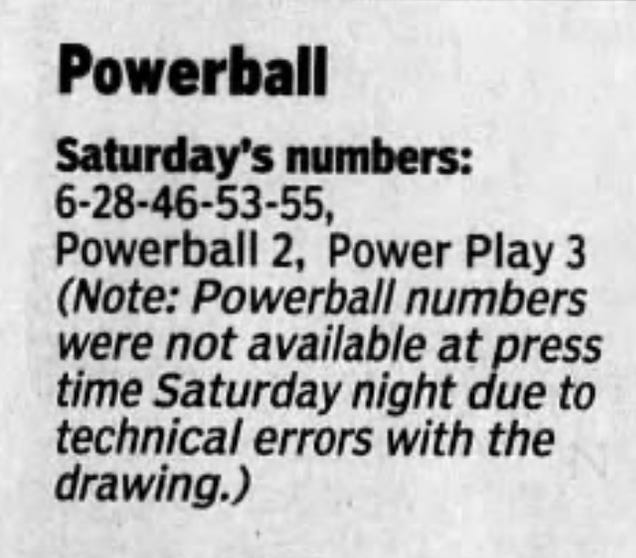
So we do have evidence that technical errors did exist around this period — but not strong evidence one occurred on July 2nd.

Indeed, that same paper printed the July 2nd numbers on July 3rd, right on schedule.
If there was a delay that night, I could find no reporting of it, unlike the delay later in the month. This strongly suggests that technical errors did happen, and indeed were reported sometimes, but there’s no evidence this drawing had an error. Instead we have the opposite: papers that reported errors in other drawings reported this one right on schedule.

This conspiracy may have started because right next to the announcement of the lottery win in The Oklahoman, there is a notice about a technical error — but for a different game, on a different date. It seems most likely this claim is false, based on sloppy conflation of other errors.
Verdict: The delay story is almost certainly false, based on newspaper reporting at the time.
Conspiracy Two: Epstein Won the Lottery Twice
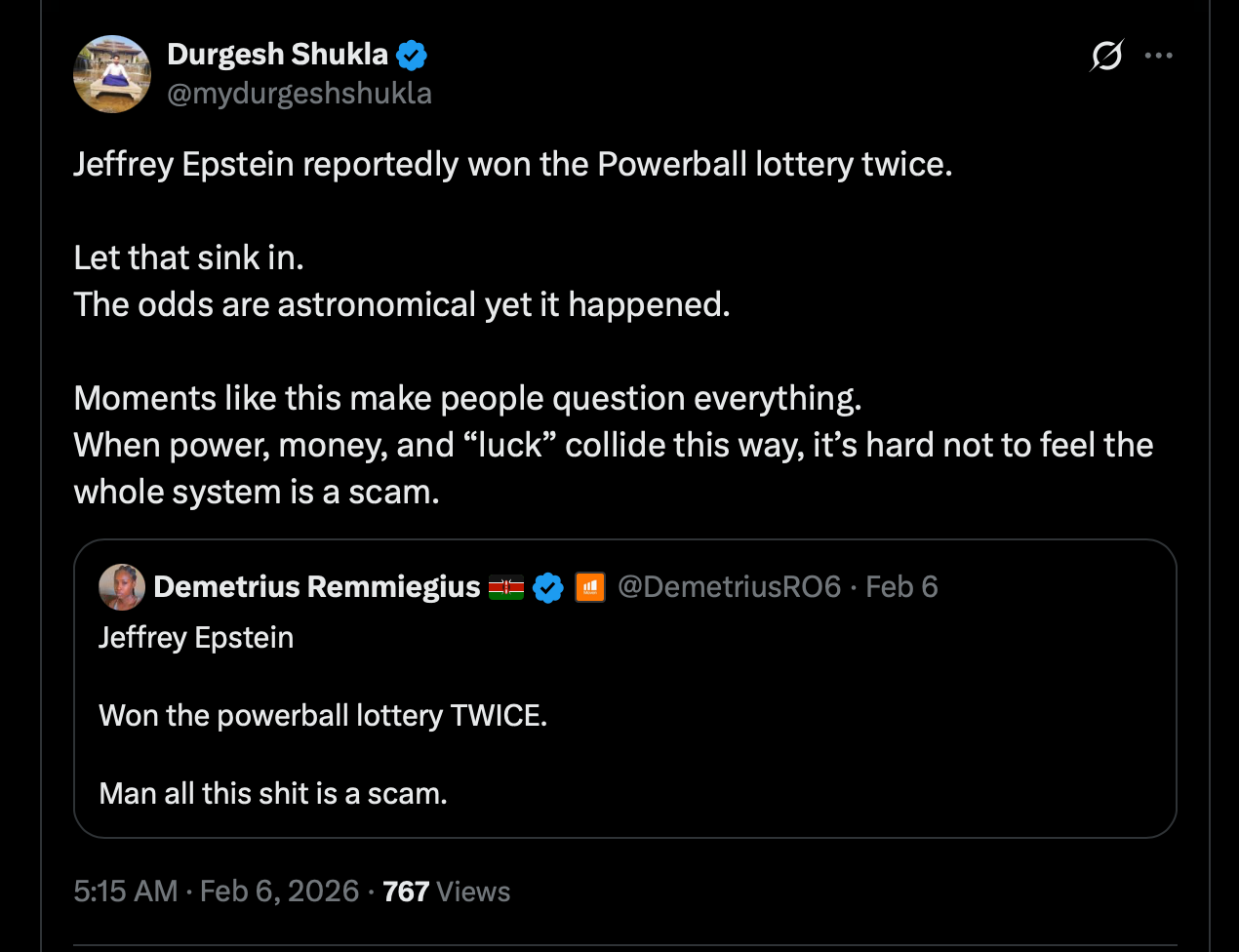
I could find no evidence at all of a second jackpot win, and no underlying evidence for it in the conspiracy theories.
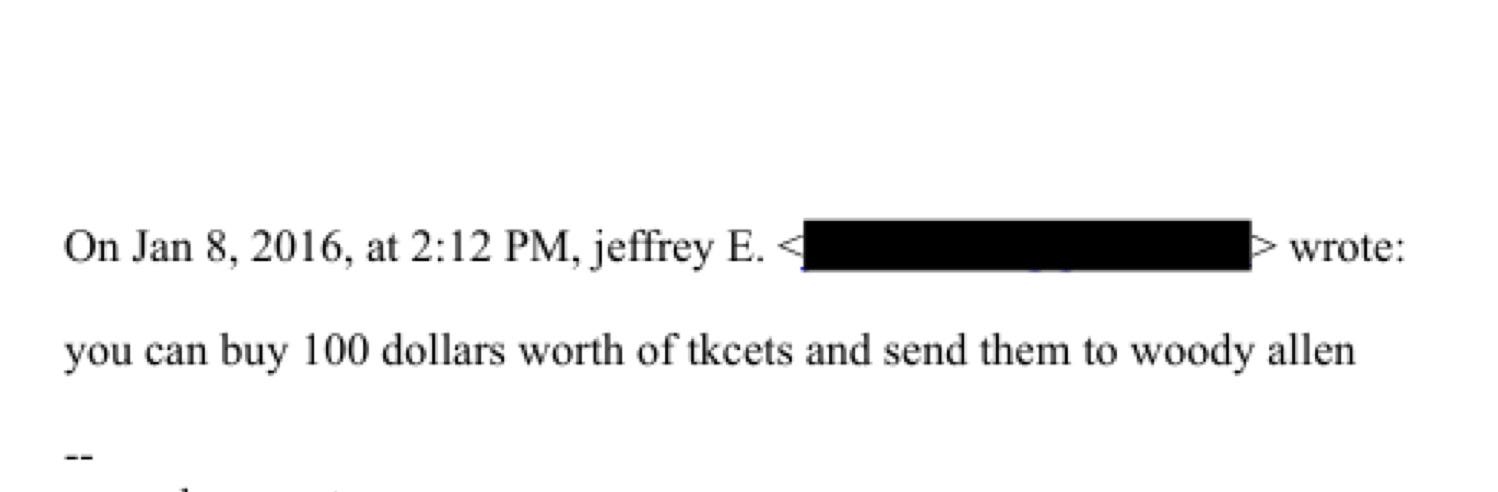
This claim is technically true in a trivial sense — if Epstein was buying Powerball tickets for friends, and the odds of winning any prize are roughly 1 in 25, then someone almost certainly won a few dollars. But winning $3 is very different from winning the jackpot.
Verdict: Seemingly false in any way that matters. I could find no source other than online chatter suggesting he won a jackpot twice. If he did, he hid it a lot better than the first time, as the Zorro Trust was seemingly not used.
Conspiracy Three: The Newspaper Quote Was Added Later
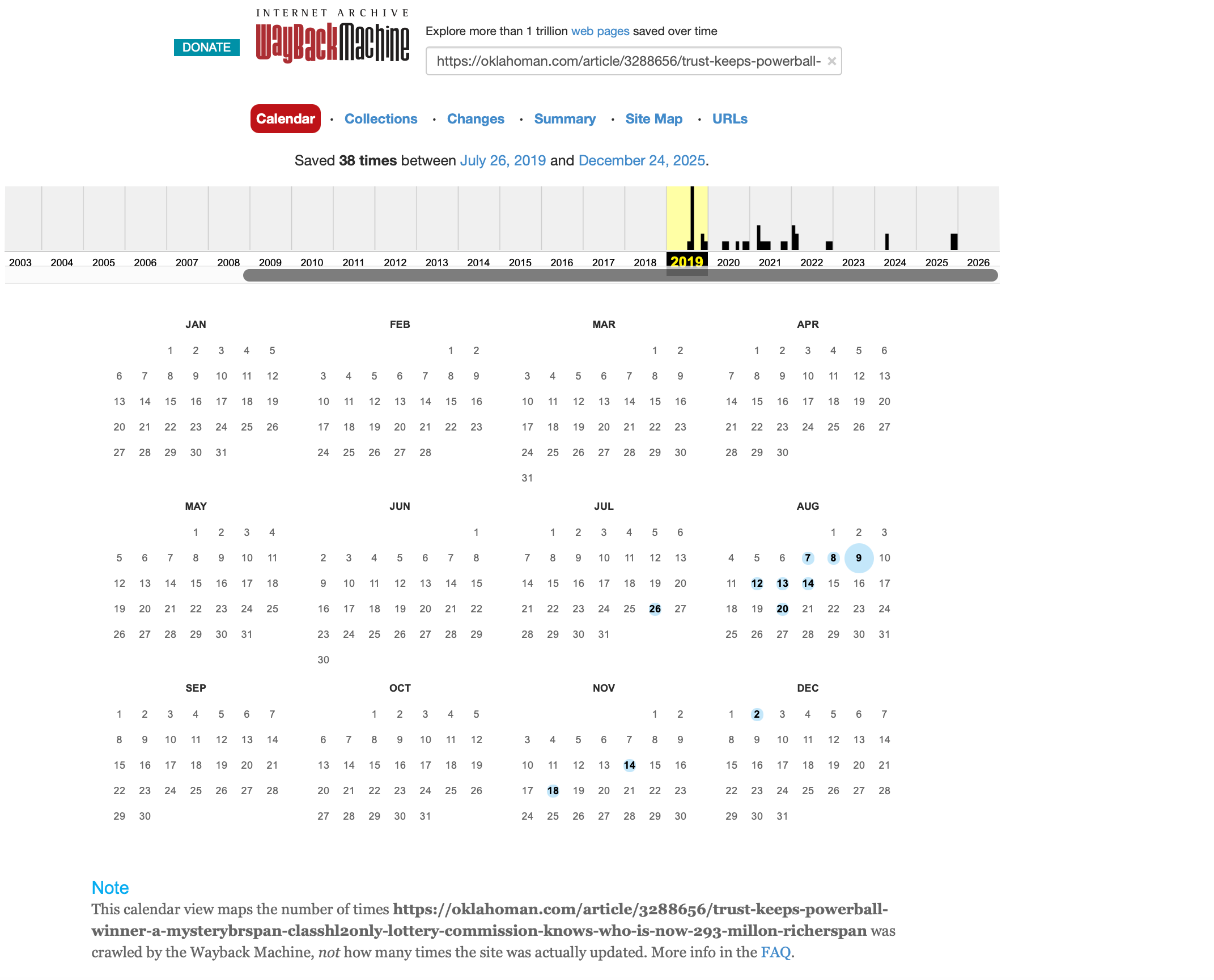
When I first started exploring this, I checked the Wayback Machine to see how far back I could find mentions of the anonymous woman winning. I was surprised that most newspapers didn’t mention her — only one did. When I put the web address of The Daily Oklahoman article into the Wayback Machine, I could find no evidence of any caching before 2019, which seemed strange. I wondered: was this quote added later, once Epstein died?
So I got a scan of the physical paper from August 2008.
The article was there. Same as today.
Verdict: False.
What the Research Says About Situations Like This
Taking a step back — this is The Studies Show, so it’s worth pausing to consider what academic research tells us about our own biases.
A 2014 study found that refuting claims of an MMR/autism link successfully reduced misperceptions among people who loosely believed the conspiracy. But among parents who held the strongest anti-vaccine attitudes, the refutation actually decreased their intent to vaccinate. Showing them evidence against the conspiracy made them believe it more.
Think about what that means for what you just read. I spent the last several sections debunking three claims. The research predicts that for some of you, those debunks made you more convinced Epstein won the lottery. And if I conclude at the end of this series that he didn’t win — or even if the government produces documents showing he didn’t — a hardcore group of believers will persist. They might even think I’m in on it.
Where We Stand
After consulting historical newspapers and primary documents, I think we can be fairly confident of three things: there was likely no delay in the drawing on July 2, 2008; there is no evidence Epstein won a Powerball jackpot twice; and the original reporting in The Daily Oklahoman was not tampered with.
But we are still left with the core, unanswered questions.
Was it really a coincidence that an anonymous trust with the exact same name won the Powerball two days after Epstein went to jail? Why did lawyers for Epstein’s victims ask two separate witnesses about this — and when both said no, why did they repeat the question? And why does the entire case that it wasn’t Epstein rest on a combination of statistical improbability and a single unnamed source, relayed secondhand, in a single local newspaper?
Click this link if you’d like to buy me a coffee to support this reporting.

Coming in Part 2
In the next installment, we’ll explore the numerous coincidences surrounding the July 2, 2008 Powerball jackpot and how they may—or may not—be connected to Epstein.
We’ll look into another coincidental lottery win I’ve seen nobody else talk about, and hear from a source close to the original reporting. Finally, we’ll also look at other important evidence, including facts I’ve seen reported nowhere else.
Subscribe so you don’t miss a post.
If you’d like to support us, please like and follow us on YouTube, or consider pledging a subscription here on Substack for when we launch our paid tier.
Thank you for your support.
Hey Alexander,
amazing work. I'm really invested in this topic. When do we get Part2? :)
Looking forward to part 2. I find it *very* hard to believe that Epstein would use Zorro Trust to claim the winnings if he was trying to hide the fact that he was involved, since it was not a secret that it was his trust. Can't this all be cleared up by Powerball officials, who would know if it was the same trust (i.e. by id number or whatever)?